How to Identify and Prevent Common Tree Diseases Year-Round
Healthy trees are more than just beautiful—they protect property, provide shade, and add value to your home or business. But tree diseases can sneak up quietly, turning vibrant branches into brittle hazards almost overnight. For homeowners and property managers alike, recognizing those early warning signs is essential.
At Anthony Tree Care, we've seen how fast things can change. That patch of odd leaves or soft spot on the trunk? That's your tree waving a red flag. The sooner you notice, the better your chances of saving your investment and avoiding costly removal. Let’s walk through what to watch for, when to act, and how to keep your landscape thriving no matter the season.
Visual Signs of Tree Illness 🌱
Trees can’t speak, but they sure do show when something’s wrong. Think of them as living weather vanes—subtle changes can signal a brewing storm beneath the surface.
Leaf Symptoms Checklist
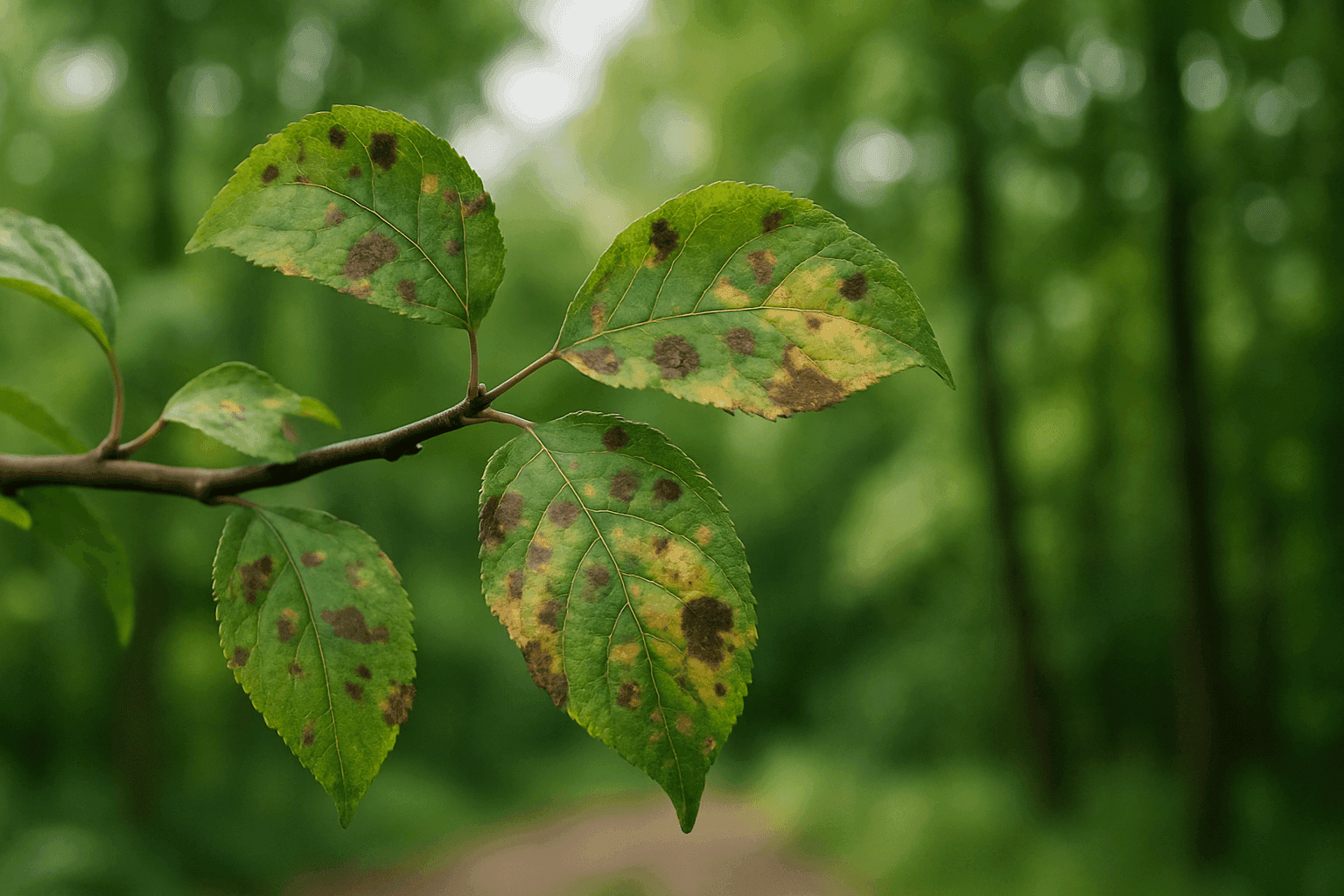
- Discoloration: Yellow, brown, or mottled patches on leaves aren’t just autumn’s arrival. They can point to fungal infections like anthracnose or bacterial leaf scorch.
- Wilting or curling: Even with normal rainfall, wilted leaves could indicate root rot or vascular diseases such as verticillium wilt.
- Spots or holes: Tiny black or brown dots, or ragged holes chewed by pests like aphids or caterpillars, should raise concern.
- Premature leaf drop: If trees shed leaves long before fall, stress or disease is likely at play.
Bark and Trunk Symptoms Checklist
- Cracks or splits: Long vertical cracks, especially after a freeze, can become entry points for pathogens.
- Oozing sap or cankers: Sticky, dark patches or sunken areas may signal fungal or bacterial attack.
- Mushrooms or fungal growth: Fungi at the base or along roots often mean internal decay.
Root Zone Red Flags
- Lifted soil or exposed roots: After storms, look for roots pulling out of the ground—windthrow can damage and infect.
- Foul odor: Healthy roots smell earthy, not sour. A rotten smell is a sure sign of trouble.
- Sparse growth: If grass or plants stop growing near a tree, the problem may run deeper.
Seasonal Disease Risks
Just like us, trees face different threats throughout the year. Timing matters.
Spring & Summer
- Leaf spot diseases flourish in warm, wet weather—watch for new spots or mildew on young leaves.
- Insect pests such as emerald ash borer appear, tunneling beneath bark.
Fall
- Canker diseases often settle in as trees prepare for dormancy, especially after dry summers.
- Root rot can sneak in during heavy autumn rains.
Winter
- Frost cracks open the door for infection.
- Salt damage from de-icing roads can harm roots and bark.
After major storms, freezes, or droughts, inspect your trees closely. Stressed trees are like open invitations for disease.
Preventive Care Strategies
The best defense? A good offense. Proactive care reduces the risk of serious damage.
Year-Round Tips
- Mulch properly: A 2-4 inch layer keeps roots cool and moist, but keep mulch away from the trunk.
- Water wisely: Deep, infrequent watering encourages healthy root growth. Don’t overwater.
- Prune smartly: Remove dead or crowded branches in late winter or early spring. Always use sanitized, sharp tools to prevent spreading infection (refer to ANSI A300 pruning standards).
- Fertilize carefully: Slow-release fertilizers provide steady nutrients, but a soil test is wise before adding anything.
- Inspect regularly: Once a month, walk your property and look at leaves, bark, and roots.
Professional Maintenance
- Certified arborist consultations: Regular checkups spot problems early. ISA-certified arborists follow the latest safety and care guidelines.
- Plant health care programs: Scheduled treatments for pests and disease prevention.
- Cabling and bracing: For weak limbs, this can prevent storm damage.
When to Call a Professional Arborist
Some problems are bigger than a backyard fix. Here’s when to pick up the phone:
- Large dead limbs over your home or driveway.
- Sudden lean in a mature tree.
- Unidentified fungal growth or rapid decline of foliage.
- Storm or wind damage that exposes roots or splits trunks.
- Signs of pests like borers, carpenter ants, or woodpeckers (which often chase hidden decay).
Residential Tree Services near you—like Anthony Tree Care—can provide everything from emergency tree removal to crane-assisted removals and 24-hour response. Don’t risk your safety or your property.
What Professionals Do On Arrival
When you call a tree_services provider, expect a thorough, step-by-step approach:
- Visual inspection: Checking leaves, bark, roots, and canopy structure.
- Diagnostic testing: Sampling soil and tissue (as per ISA protocols) if needed.
- Risk assessment: Determining if limbs or whole trees pose an immediate hazard.
- Action plan: Explaining options—pruning, removal, bracing, or treatment.
- Safety first: Following OSHA and ANSI safety standards, especially when using cranes or heavy equipment.
Prevention & Maintenance
Prevention isn’t a one-and-done deal. Think of it like dental care—regular checkups and a bit of daily attention pay off big over time.
- Annual arborist visit: Early detection catches issues before they spread.
- Storm prep: Remove weak limbs before storm season.
- Diversity in planting: Mixing tree species limits spread of disease.
- Prompt cleanup: Clear fallen leaves and branches to remove disease reservoirs.
Costs & Time Factors
Tree care costs and timelines vary. Here’s what typically affects the numbers:
- Size and location: Large trees or those near structures are more complex.
- Type of service: Routine pruning is faster and less costly than emergency removal or crane work.
- Severity: Advanced disease may require multiple visits or specialized equipment.
Most routine visits take a few hours. Emergency jobs may stretch longer, especially after storms.
When It’s an Emergency 🚨
Some situations can’t wait:
- Tree on a power line or roof
- Split trunks after high winds
- Fallen tree blocking access
- Sudden, unexplained dieback
If you notice any of these, evacuate the area and call professional tree_services with 24 hour service. Your safety comes first.
FAQ
Q: Can I treat tree diseases myself?
A: Minor leaf spots or small pest problems can sometimes be managed with careful pruning and proper watering. But advanced diseases or anything involving structural risk should be checked by a certified arborist.
Q: How often should my trees be inspected?
A: At least once a year is recommended, ideally in early spring. After major storms, a quick check can catch problems early.
Q: Are all fungi on trees bad?
A: Not always! Some are harmless, but mushrooms at the base or on the trunk often signal internal decay.
Q: Is stump grinding necessary after tree removal?
A: Yes, it prevents regrowth and removes habitat for pests.
Local/Seasonal Considerations
No matter your climate zone, storms, droughts, and rapid weather shifts each bring unique risks. In humid summers, fungal outbreaks are common. After winter freezes, check for cracks and salt damage. If your area sees hurricanes or tornadoes, pre-storm pruning and bracing offer peace of mind.
Following guidance from the International Society of Arboriculture (ISA) and American National Standards Institute (ANSI) ensures you’re choosing the safest, most effective tree care strategies.
Spotting problems early means fewer surprises and lower costs. If your trees are showing signs of stress, or you want proactive care, call the team at Anthony Tree Care. We offer everything from routine trimming to 24 hour emergency tree_services—always with safety, skill, and your landscape’s health in mind.
Call Anthony Tree Care now — or reach us anytime at 888-859-5262 .