Storm Damage Cleanup: Essential Steps Before and After Professional Help
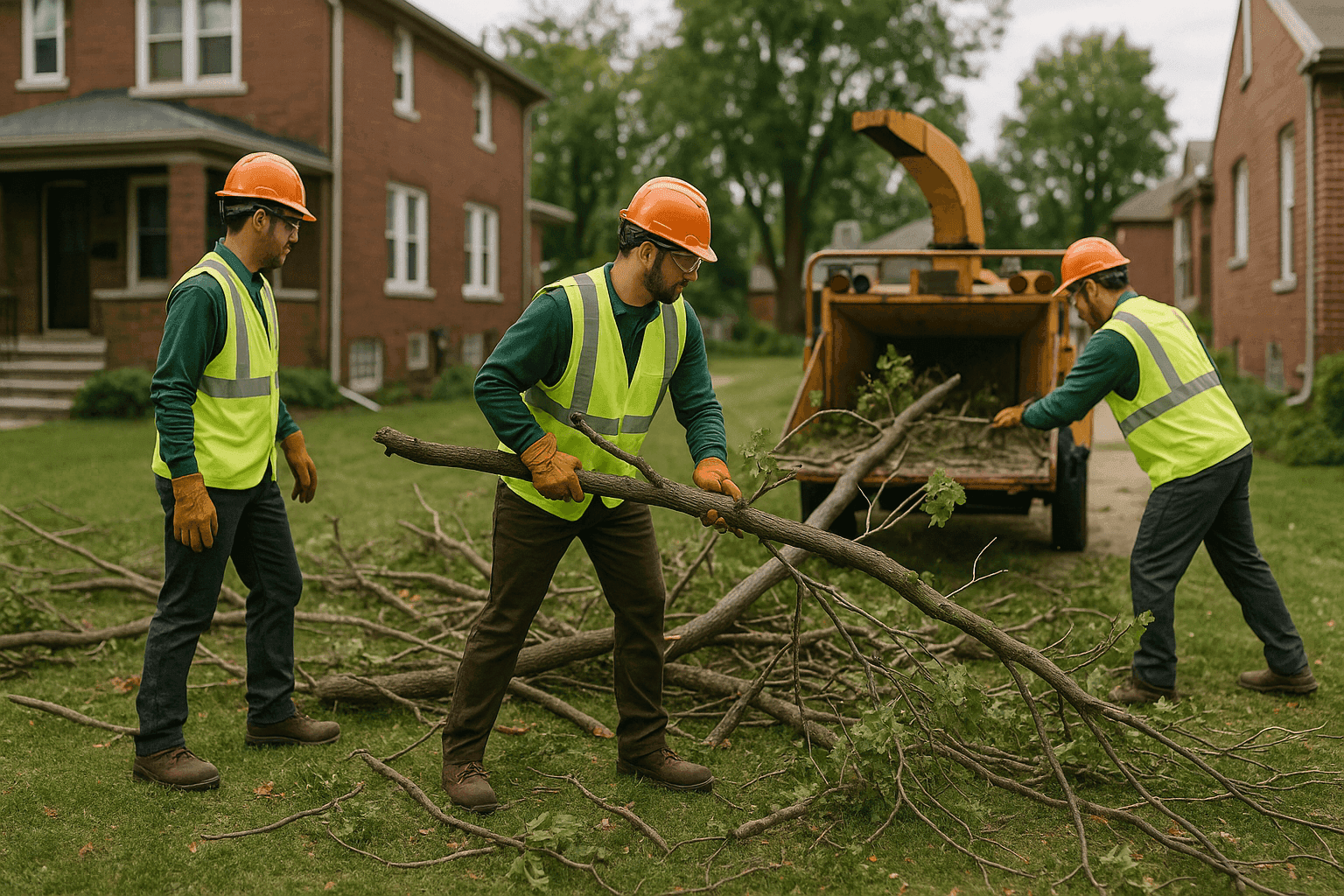
When a storm rolls through, it doesn’t just shake the windows—it can uproot your sense of safety. Fallen trees, dangling limbs, and scattered debris don’t just look messy. They can put your property, and your loved ones, at real risk.
At Anthony Tree Care, we’ve helped families and businesses pick up the pieces after countless tempests. You don’t need to face this alone, but knowing the right steps—before and after the pros arrive—can make a world of difference.
Immediate Safety Checklist 🛑
First, breathe. Then focus on safety, not cleanup. Storm-damaged trees and power lines can be as unpredictable as a live wire in a puddle. The following steps put safety front and center:
- Stay clear of downed power lines. Assume every wire is live. Report immediately to your utility company and keep others away.
- Look for hanging or split branches. Don’t walk under trees with broken limbs or creaking trunks.
- Evacuate if needed. If a tree has fallen on your home or blocks exits, leave safely and call emergency services.
- Check for gas leaks. A toppled tree can rupture underground lines. If you smell gas, leave the area and notify authorities.
- Warn others. Use cones, tape, or even a bright towel to mark off hazardous zones.
What not to touch:
- Live wires, even if you think they’re dead.
- Trees tangled with wires.
- Large, split trunks and root balls. These can shift suddenly.
How to Assess Tree and Property Damage
Once you’re sure it’s safe, make a quick survey—think detective, not hero. You're not just looking for obvious breaks. Hidden damage is where trouble brews.
- Check the canopy. Are there split branches? Cracks? Hanging debris?
- Inspect trunks and roots. Leaning trees, heaved soil, or exposed roots mean instability.
- Review structures. Fences, sheds, and roofs may be hit harder than you think.
- Document everything. Take clear photos and notes for your insurance claim. Include close-ups and wide shots.
Pro tip: Don’t climb ladders or onto roofs to inspect damage. Storm-weakened wood can give way without warning.
Temporarily Securing Dangerous Trees
Sometimes you need a quick fix to prevent more damage before tree_services arrive. Here’s what you can safely do:
- Create a safety perimeter. Use cones, rope, or objects to block off risky areas.
- Cover exposed areas. If a tree has punched a hole in your roof, use a tarp to keep rain out—only if it’s safe.
- Move valuables. Remove cars, furniture, or equipment from the danger zone.
But remember: Never try to cut, move, or support large limbs or uprooted trees yourself. Even professional crews use specialized gear like cranes and cabling for a reason.
When to Call in the Professionals 🌲
Some jobs just aren’t safe for DIY. Here’s when you should always call Anthony Tree Care or another certified arborist:
- Large trees have fallen or are leaning on structures.
- Branches are tangled in power lines.
- You see cracks in trunks or roots.
- There’s storm damage near playgrounds, driveways, or business entrances.
Certified arborists have training in hazard recognition. We use industry standards from ANSI Z133 (tree care safety) and OSHA. Our crews bring the right tools—chainsaws, cranes, bracing systems—and the knowledge to prevent further property damage or injury.
How to Prepare Trees Before Major Storms
An ounce of prevention beats a pound of cleanup. There are practical ways to help trees stand strong when the wind howls:
- Annual trimming and pruning. Remove weak limbs, deadwood, and overgrown branches, especially near roofs or wires.
- Cabling and bracing. Support mature or multi-trunk trees to reduce splitting risk.
- Fertility and health checks. Healthy trees weather storms better. Regular fertilizing, mulching, and pest management go a long way.
- Professional inspections. A quick arborist consultation can reveal hidden hazards before they become emergencies.
Think of it like brushing your teeth—regular care prevents painful surprises.
What to Expect from a Professional Cleanup Crew
Wondering what happens when the cavalry arrives? Here’s what our team at Anthony Tree Care does:
- Safety assessment. Before a single saw comes out, we assess for live wires, unstable trees, and other hazards.
- Controlled removal. Using rigging, cranes, and precision cutting, we remove dangerous limbs and trees section by section.
- Stump grinding and debris hauling. We don’t just cut and run—we clear and clean.
- Site inspection. Final checks make sure nothing’s left hanging, literally or figuratively.
We follow standards from groups like the International Society of Arboriculture (ISA) and local building codes. Our mission: leave your property safer than when we found it.
Costs & Time Factors
Storm cleanup isn’t one-size-fits-all. Factors that impact the process:
- Tree size and location. Big trees near houses or wires take longer and require more equipment.
- Severity of damage. Uprooted trees, split trunks, or multiple fallen limbs increase complexity.
- Access. Tight spaces, fences, or slopes can slow things down.
- Debris removal. Hauling and disposal add time.
A simple limb cleanup can take a few hours. Full property restoration may last a day or more. For insurance claims, keep receipts and photographs—most policies require detailed documentation.
When It’s an Emergency 🚨
Some situations just can’t wait:
- Blocked driveways or exits.
- Downed trees on power lines.
- Trees threatening occupied buildings or public spaces.
If you’re ever unsure, err on the side of caution. Our 24-hour tree_services ensure help is always close by.
Frequently Asked Questions
How soon should I deal with storm-damaged trees?
Immediately address safety hazards. For non-urgent cleanup, call as soon as possible—delays can worsen damage or void insurance claims.
Can I trim broken branches myself?
Small, low branches may be safe if you have experience and proper tools. Never attempt to cut anything overhead or near power lines. When in doubt, call certified tree_services.
Will my insurance cover tree removal?
Policies vary. Most cover removal if trees damage insured structures, but not for general yard cleanup. Check your policy and document thoroughly.
What if I need tree_services at night or on weekends?
Anthony Tree Care offers 24-hour emergency response for residential and commercial properties. Fast action can prevent further loss.
Local and Seasonal Considerations 🍁
Storm risk isn’t the same everywhere. In some regions, hurricane season brings wind and rain that can turn even healthy trees into hazards. Snow and ice can snap limbs overnight. Drought can make root systems brittle and more likely to topple.
Check your local extension office or the National Weather Service for seasonal warnings and recommendations. And remember—proactive tree care pays off, especially when storms are on the horizon.
A storm can rattle more than just the branches outside your window. When the worst happens, Anthony Tree Care is ready to help—day or night. Have questions or need fast, professional tree_services?
Call Anthony Tree Care now — or reach us anytime at 888-859-5262 .