Tree Removal Cost Guide: What Homeowners & Businesses Should Know
Is that leaning oak in your yard making you nervous every time the wind howls? Or maybe you're managing a commercial property and a storm just sent branches crashing into the parking lot. Tree removal isn’t always planned, but it’s always a big decision. One with safety, budget, and property value on the line.
At Anthony Tree Care, we get it—deciding when and how to remove a tree can feel overwhelming. Let’s break down what you really need to know about tree removal costs, so you can make the smartest choice for your home or business.
Key Factors That Affect Tree Removal Cost 🌳
No two tree removal jobs are the same. Here’s what makes the numbers on your quote go up—or down:
- Tree Size & Type: A towering pine costs more to remove than a small ornamental maple. Height, trunk diameter, and branch spread all matter.
- Location, Location, Location: Is the tree squeezed between buildings? Hanging over power lines? The harder it is to access, the more time and specialized equipment it’ll take.
- Tree Health & Stability: Diseased or dead trees can be unpredictable. Extra safety measures may be needed.
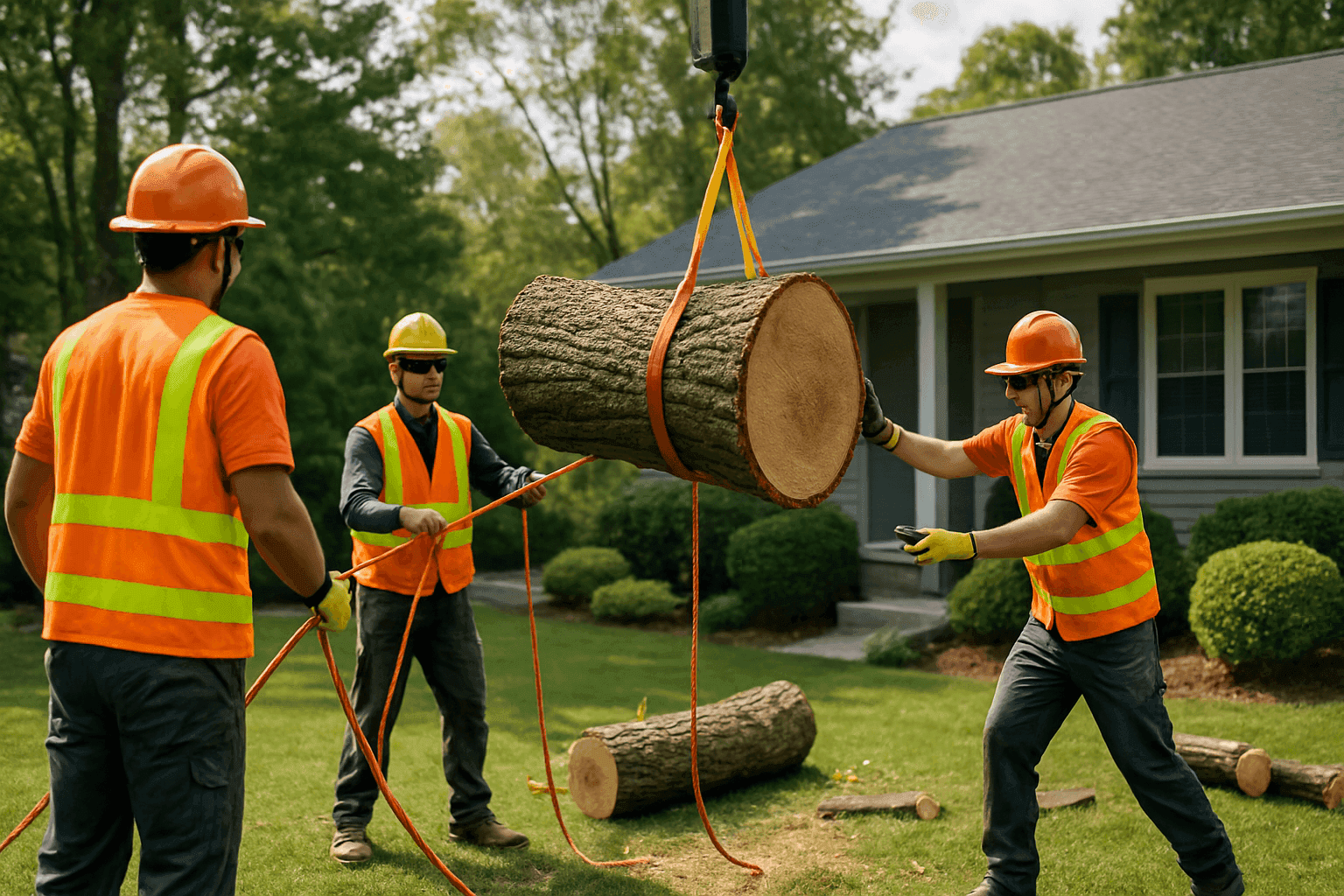
- Equipment Needs: Cranes, bucket trucks, and advanced rigging add to the total. Manual removal is rarely an option for larger trees.
- Cleanup & Disposal: Hauling away limbs, chipping, and stump grinding all affect your final bill.
- Season & Weather: Winter storms or saturated ground can make removal trickier—and pricier.
The bottom line? Every job is unique. A single large oak can run several thousand dollars, while a small, accessible tree might be a fraction of that. Always get a detailed, written estimate.
Residential vs. Commercial Tree Removal Pricing
Homeowners and businesses face different challenges—and costs.
For Homeowners
- Typical Jobs: Removing a backyard tree, trimming branches away from your roof, or clearing space for a new garden.
- Costs: Generally lower, unless access is limited or there are safety hazards.
- Concerns: Property damage, neighbor disputes, insurance requirements.
For Businesses
- Typical Jobs: Clearing storm damage from parking lots, removing trees near signage, or prepping land for construction.
- Costs: Usually higher. Commercial spaces often mean bigger trees, more liability, and strict safety codes (see OSHA guidelines).
- Concerns: Minimizing downtime, public safety, regulatory compliance.
No matter the size or setting, Anthony Tree Care brings the same expertise and attention to detail.
Hidden Fees to Watch Out For
Nobody likes a surprise when the invoice arrives. Here’s what can sneak onto your bill if you’re not careful:
- Emergency/Urgent Removal: Nights, weekends, or storm response can add significant premiums—sometimes double the base rate.
- Stump Grinding: Not always included in the initial quote. Make sure to ask.
- Travel/Mobilization Fees: If your property is remote or difficult to reach, extra charges may apply.
- Permit Costs: Some municipalities require permits for tree removal. These are usually your responsibility.
- Debris Hauling: Leaving branches curbside is cheaper than full cleanup and hauling.
Tip: Always ask for a breakdown of services and fees before signing off. If something isn’t clear, speak up.
How to Compare Tree Service Quotes
Getting multiple estimates? Here’s how to make an apples-to-apples comparison:
- Credentials Matter: Is the company insured? Are they ISA Certified Arborists or TCIA-accredited?
- Scope of Work: Does the quote include cleanup, stump grinding, and haul-away, or just cutting?
- Equipment & Crew: Are they using cranes or climbing manually? How many technicians will be on site?
- Safety Practices: Look for written safety plans, PPE use, and adherence to ANSI tree care standards.
- References & Reviews: Don’t just go by the lowest bid—ask for proof of recent, satisfied clients.
Trying to save a few bucks can backfire if you end up with property damage, injury, or incomplete removal.
What Goes Into a Tree Removal Quote?
The price you get isn’t pulled out of thin air. Here’s what’s typically considered:
- Assessment Visit: An arborist inspects the tree, checks for hazards, and measures access.
- Risk Level: Trees near power lines or structures are riskier and cost more.
- Labor Hours: More crew means faster work, but higher labor costs.
- Equipment Costs: Cranes, wood chippers, and trucks all add up.
- Disposal Fees: Dumping or recycling debris isn’t free.
- Insurance & Overhead: Reputable companies factor in proper insurance and worker’s comp.
Why Certified Arborists Are Worth the Investment
Anyone can buy a chainsaw. But certified arborists bring training, experience, and safety you can count on.
- Diagnosis: They know if a tree truly needs removal or can be saved.
- Technique: Safe rigging, proper cuts, and controlled felling prevent accidents.
- Code Compliance: They follow local codes and ANSI safety guidelines.
- Liability: Proper insurance protects you from unexpected costs.
Cutting corners with an unqualified crew can end up costing more in the long run.
Emergency Tree Services: What Raises the Price?
When trees come down unexpectedly—during storms, after lightning, or due to disease—time is money.
- After-Hours Response: Nights, weekends, and holidays drive up costs.
- Hazard Pay: Working in dangerous conditions or around live wires is riskier.
- Rapid Mobilization: Getting a crew and equipment on site fast isn’t cheap.
- Property Protection: Emergency bracing or tarping to prevent further damage adds to the bill.
If you’re facing an urgent situation, expect to pay a premium for rapid, safe response. Always ask for proof of insurance and clear communication throughout the process.
Safety Checklist: What to Ask Before Hiring
- Are you fully insured for tree_services?
- Do you have up-to-date certifications (ISA, TCIA)?
- Will you provide a written, detailed quote?
- Who will be on site, and what safety equipment will they use?
- Will you handle cleanup and disposal?
If a company hesitates or dodges these questions, keep looking.
How To Budget for Tree Removal
- Get Several Quotes: Prices can vary widely.
- Factor in Extras: Stump grinding, debris hauling, and permits.
- Plan for Emergencies: Set aside a small reserve, especially if you have mature trees near structures.
- Schedule Maintenance: Regular pruning and inspections help prevent costly emergency removals.
Common Questions About Tree Removal Costs
How much does it usually cost to remove a tree?
It depends on size, location, and complexity. Small trees may be a few hundred dollars; large, hazardous, or hard-to-reach trees can run into the thousands.
Can I save money by doing it myself?
DIY tree removal is risky and often ends up costing more if things go wrong. Certified professionals have the training and equipment to do the job safely.
Does homeowner’s insurance cover tree removal?
Insurance may cover removal if a tree falls due to a covered peril (like a storm) and causes damage. Always check your policy first.
What about leftover stumps?
Stump removal is often a separate service. Ask if it’s included and what method will be used.
Local & Seasonal Considerations
- Storm Season: Expect higher demand (and sometimes prices) after major storms.
- Municipal Rules: Some areas require permits or have protected tree species.
- Access Issues: Snow, mud, or soft ground can delay work or require special equipment.
- Wildlife: Nests or protected animals may impact timing and method.
Final Thoughts
Trees add beauty and value to your property—but when one needs to come down, you want it done right. The cheapest option isn’t always safest. Invest in professional, insured tree_services for peace of mind, whether it’s a backyard maple or a commercial lot full of mature oaks.
Call Anthony Tree Care now — or reach us anytime at 888-859-5262 .