Hiring a Certified Arborist: What to Ask Before Tree Work Begins
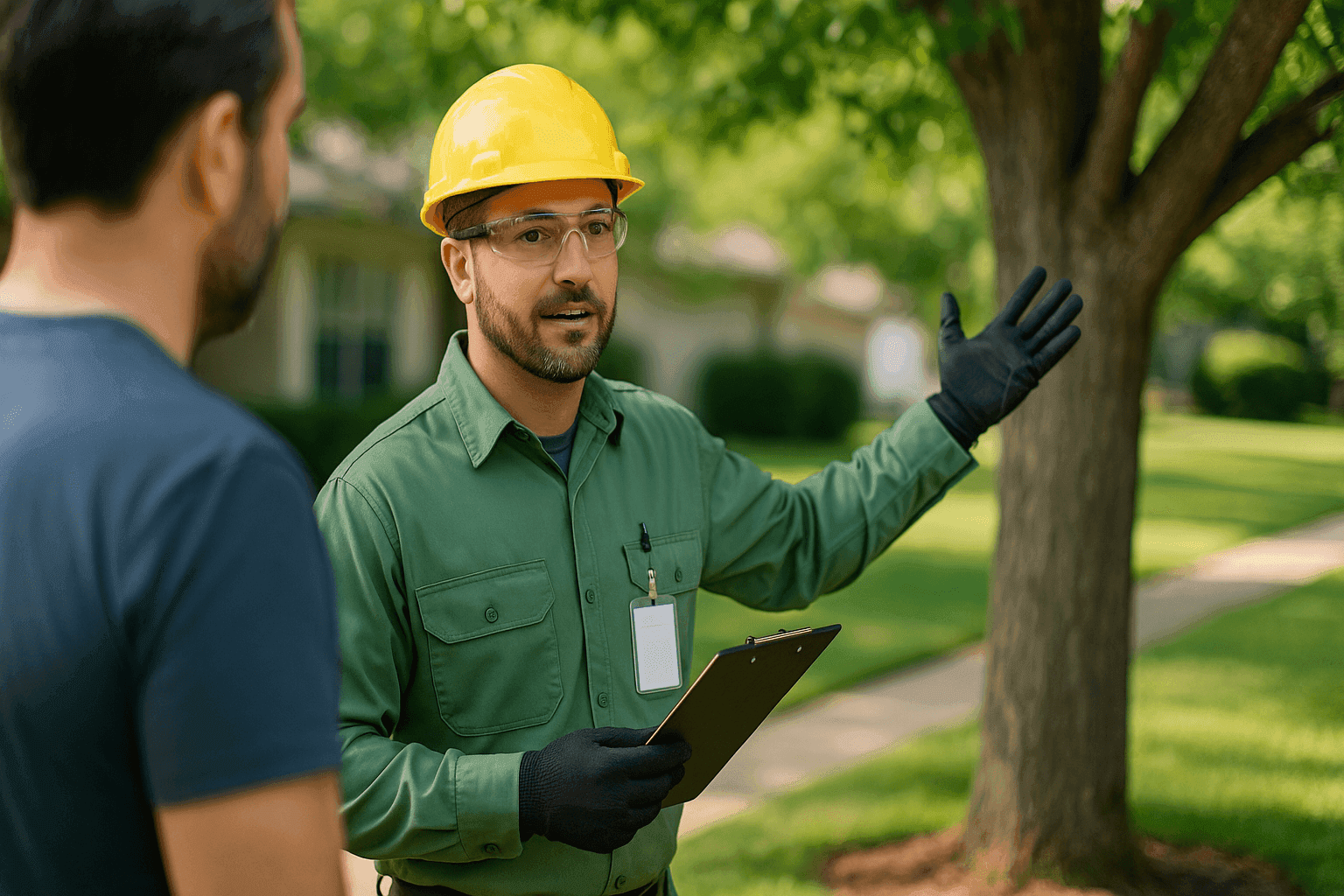
Trees do more than shade your yard or line your business entrance. They anchor memories, boost curb appeal, and shape the way your property feels. But when a branch threatens your roof, or a tree leans after a storm, knowing who to trust with your green giants can be overwhelming.
At Anthony Tree Care, we recognize that you’re not just hiring someone with a saw. You want a partner who cares for your trees—and your peace of mind—as much as you do. Here’s how to make sure you get the right expert for your tree_services, whether you need Residential Tree Services near you or commercial solutions.
Why Certification Matters in Tree Care 🌳
Would you trust just anyone to fix your car’s brakes? Trees deserve the same respect. Certified arborists are more than just tree workers. They’re trained professionals who have passed rigorous exams from organizations like the International Society of Arboriculture (ISA). Certification isn’t a one-and-done deal—it’s a commitment to ongoing learning and best practices.
Arborists understand tree biology, proper pruning, pest management, and safe removal techniques. They’re required to stay current on industry standards, safety regulations (like those from the Occupational Safety and Health Administration), and modern equipment. This knowledge can mean the difference between a thriving landscape and costly, even dangerous, mistakes.
Why does this matter?
- Trees are living investments. Incorrect work can lead to disease, property damage, or hazardous conditions.
- Proper care extends the life and beauty of your trees.
- Certified arborists carry a code of ethics—your assurance that they’ll put safety and science first.
Top Questions to Ask Before Hiring
Think of hiring an arborist like interviewing a new employee. The right questions draw out the real pros from the pretenders.
Ask these before any work begins:
- Are you an ISA Certified Arborist, or do you hold another recognized certification?
- Can you provide proof of current liability insurance and workers’ compensation?
- What methods will you use for this specific job (trimming, removal, cabling, etc.)?
- Will you provide a written estimate and contract detailing the scope of work?
- How will you protect my property and surrounding landscape during the project?
- What safety measures will your team use?
- Can you share references from recent customers?
- How do you handle cleanup and debris disposal?
- Are you familiar with local regulations or permits required for this work?
A reputable company won’t dodge these questions. They’ll be glad you asked.
Assessing Credentials and Insurance
Credentials aren’t just paper—they’re proof of expertise. Here’s what to check:
- Certification: Ask to see their ISA card or credential documents. You can verify ISA credentials at the ISA website.
- Insurance: Insist on up-to-date liability insurance and workers’ compensation. Otherwise, you could be on the hook for injuries or property damage.
- Licenses: Some cities or states require tree_services providers to be licensed. Know your local requirements and ask for proof.
Red Flags:
- Vague answers or missing paperwork.
- Unwillingness to provide written estimates.
- Pressure tactics to make a quick decision.
Remember, even the best professionals should be glad to show their qualifications. If something feels off, trust your gut.
Understanding Safety and Work Practices 🦺
Tree work is risky. From climbing tall oaks to operating chainsaws, safety is non-negotiable.
Key safety practices include:
- Wearing helmets, gloves, eye and ear protection, and chainsaw-resistant clothing.
- Using proper rigging and climbing gear.
- Roping off work zones to keep bystanders safe.
- Following ANSI Z133 safety standards for arboricultural operations.
Ask your arborist about their safety training and how they plan to protect your home, driveway, and neighboring yards. Well-established companies will have clear protocols for everything from storm damage cleanup to crane-assisted tree removal.
What Sets Certified Arborists Apart
Not all tree_services are created equal. Certified arborists bring:
- Deep understanding of tree biology, soil health, and pest control.
- Awareness of local climate challenges, from drought to ice storms.
- Solutions tailored to your specific tree species and property needs.
- Commitment to ongoing education—staying ahead of new diseases, pests, and best practices.
This expertise pays off, especially for commercial properties or heritage trees. It’s the difference between a quick fix and lasting results.
Real-World Checklist: Before Work Begins
Before the chainsaws start, make sure you:
- Receive a written estimate—no surprises, no hidden work.
- Understand exactly what will be done (which limbs removed, what’s being trimmed, etc.).
- Confirm schedule, start time, and expected duration.
- Ask how emergencies are handled—Anthony Tree Care offers 24 hour service for urgent needs.
- Discuss who’ll be on site and the contact for any questions.
Red Flags to Watch For
Keep an eye out for:
- Offers that seem too cheap. Low bids often skip safety or insurance.
- Companies that knock on your door after a storm, pressuring you to sign immediately.
- Lack of a physical business address or professional equipment.
- Refusal to provide references.
If something doesn’t feel right, walk away. A trustworthy tree_services provider will welcome your questions and provide clear, honest answers.
Why Tree Care Experience and Ongoing Education Count
Trees are complicated. A certified arborist’s knowledge comes from years in the field—and a commitment to keep learning.
- Look for professionals who attend workshops, keep up with arboriculture journals, and participate in industry events.
- Ask about their experience with your tree type or specific services (like crane-assisted removal or tree cabling & bracing).
This ongoing investment in education means safer, smarter solutions for you.
Emergency Tree Services: What You Should Know 🚨
Storms, wind, or disease can bring down even the mightiest tree. In emergencies, you need fast, safe help.
What sets professional emergency services apart:
- 24-hour response teams ready for urgent calls.
- Specialized equipment for dangerous or hard-to-reach trees.
- Ability to coordinate with local authorities if needed.
- Thorough cleanup, leaving your property safe and tidy.
Before disaster strikes, keep a reputable tree_services provider’s number handy.
The Importance of Proper Cleanup and Disposal
Tree care shouldn’t leave you with a mess. Ask your arborist how they’ll handle:
- Branch and log removal.
- Stump grinding and debris cleanup.
- Recycling or disposing of wood chips.
A professional company leaves your property better than they found it.
Understanding Insurance Requirements
Liability insurance and workers’ compensation aren’t just boxes to check. They protect you from costly lawsuits or medical bills if something goes wrong.
Always verify:
- Up-to-date insurance certificates.
- Workers’ comp for all employees on site.
- State or municipal licenses as required.
According to the Tree Care Industry Association, unlicensed or uninsured tree workers are a leading cause of injury and property loss in the U.S.
Local and Seasonal Tree Care Considerations 🍂
Tree needs change with the seasons. A certified arborist will know when to prune, fertilize, or plant for your local climate.
- Winter: Ideal for most pruning, as trees are dormant.
- Spring: Time for fertilizing and pest checks.
- Summer: Watch for heat stress and watering needs.
- Fall: Prepare for storms and check for deadwood.
Ask your tree_services provider about local pests, diseases, or weather risks affecting your area.
FAQ: Hiring a Certified Arborist
Q: Is a certified arborist necessary for every tree job?
A: For major work—like removal, large pruning, or diagnosis—yes. Certified arborists bring expertise that general landscapers don’t.
Q: How do I check if someone is certified?
A: Ask for their ISA number and verify at the ISA website.
Q: What’s the difference between tree trimming and pruning?
A: Trimming often means shaping trees for aesthetics; pruning focuses on tree health and safety.
Q: Do I need a permit to remove a tree?
A: In many areas, yes. Your arborist should know and help with paperwork.
Final Thoughts: Choose with Confidence
Hiring the right tree_services provider protects your investment, your property, and your safety. Take time to ask the right questions, check credentials, and understand what’s involved. Your trees—and your peace of mind—are worth it.
Call Anthony Tree Care now — or reach us anytime at 888-859-5262 .